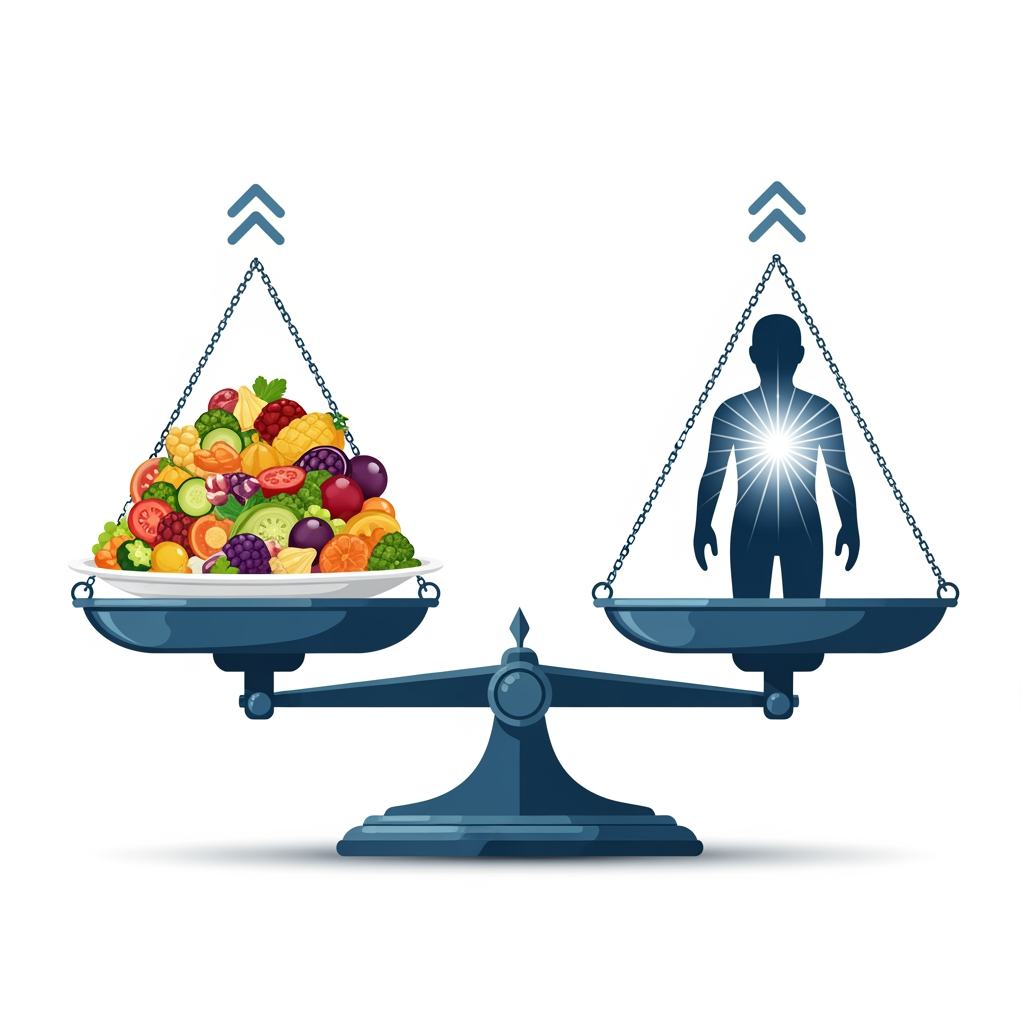
Weight management comes down to energy balance—calories in versus calories out. Understanding your body's energy needs helps set realistic targets for weight loss, maintenance, or gain.
What Is BMR?
Basal Metabolic Rate (BMR) is the energy your body needs for basic functions while completely at rest—breathing, circulation, cell production. It's the minimum calories needed to survive. BMR depends on age, sex, weight, and muscle mass.
What Is TDEE?
Total Daily Energy Expenditure (TDEE) adds activity to BMR. It includes all movement—exercise, walking, fidgeting, even digesting food. TDEE represents the calories you actually burn each day.
Calculating Your Numbers
Online calculators estimate BMR and TDEE based on personal stats. These are estimates—actual needs vary. Use them as starting points, then adjust based on real-world results over weeks.
Weight Loss Math
A pound of fat contains about 3,500 calories. To lose one pound weekly, create a 500-calorie daily deficit through reduced eating, increased activity, or both. Larger deficits speed loss but are harder to sustain.
Why Muscle Matters
Muscle burns more calories than fat at rest. Building muscle through strength training increases BMR. This is why combining diet with exercise produces better long-term results than diet alone.
Metabolism Adaptation
Prolonged calorie restriction can lower metabolic rate. This is why very low-calorie diets often fail long-term. Moderate deficits with adequate protein and strength training minimize this adaptation.
This article was generated by AI to provide informational content.