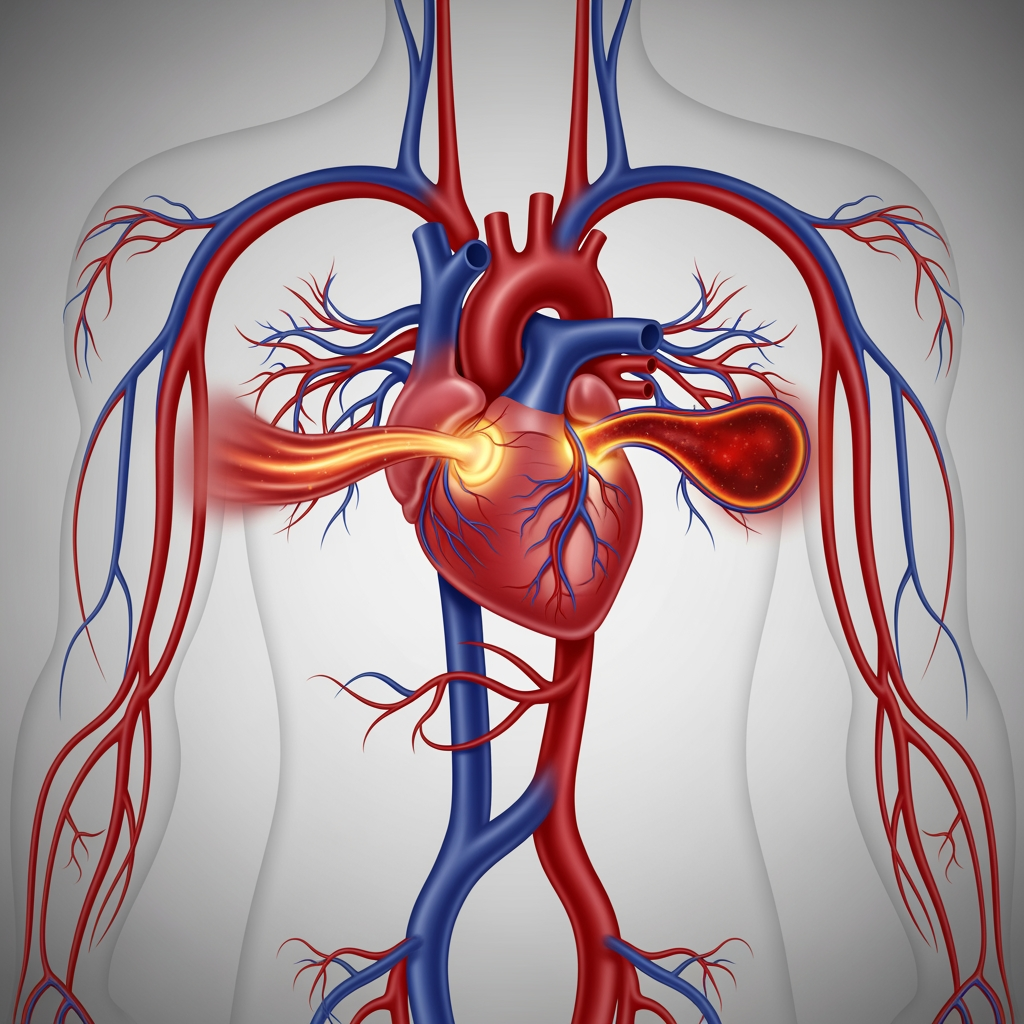
A blood pressure reading gives two numbers that mean little to most people. Understanding these numbers helps you monitor one of the most important indicators of cardiovascular health.
What the Numbers Mean
Blood pressure is recorded as systolic over diastolic. Systolic (top number) measures pressure when heart beats. Diastolic (bottom number) measures pressure between beats when heart rests. Both matter.
Normal Ranges
Normal blood pressure is below 120/80 mmHg. Elevated is 120-129 systolic with diastolic under 80. Stage 1 hypertension is 130-139 systolic or 80-89 diastolic. Stage 2 is 140/90 or higher. Crisis levels require immediate attention.
Why High Blood Pressure Matters
Hypertension damages blood vessels over time, increasing risk of heart attack, stroke, kidney disease, and vision problems. It's called the "silent killer" because it often shows no symptoms until damage occurs.
Factors Affecting Readings
Caffeine, stress, full bladder, crossed legs, and talking during measurement all affect readings. For accurate monitoring, sit quietly for five minutes before measuring, use proper arm position, and measure at consistent times.
Lifestyle Management
Reducing sodium, maintaining healthy weight, exercising regularly, limiting alcohol, and managing stress all lower blood pressure naturally. These changes sometimes eliminate need for medication in mild cases.
When to See a Doctor
Consistently elevated readings warrant medical consultation. A single high reading isn't diagnosis—patterns matter. Your doctor may recommend home monitoring or 24-hour monitoring for accurate assessment.
This article was generated by AI to provide informational content.