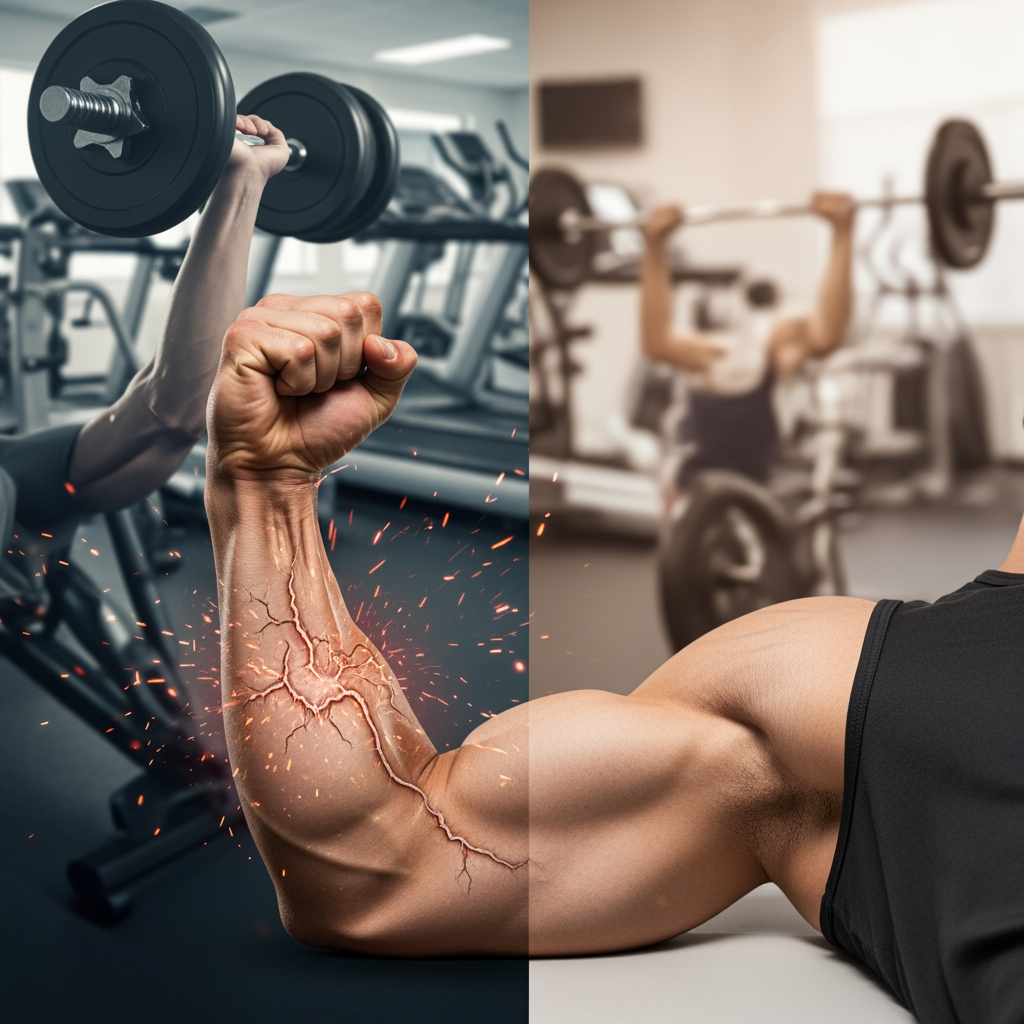
More isn't always better with exercise. Rest days are when your body actually adapts and improves. Skipping recovery leads to diminishing returns, injury, and burnout. Here's why rest matters.
How Muscle Grows
Exercise creates microscopic muscle damage. During rest, the body repairs this damage, building muscle slightly stronger than before. Without adequate rest, repair can't happen, and progress stalls or reverses.
Nervous System Recovery
Intense exercise stresses the nervous system. Accumulated fatigue affects coordination, reaction time, and motivation. Mental freshness is as important as physical recovery for long-term fitness.
Signs You Need More Recovery
Persistent fatigue, declining performance, irritability, disrupted sleep, and increased injuries all indicate insufficient recovery. If workouts feel harder despite consistent training, you probably need more rest, not more work.
Active Recovery
Rest doesn't mean complete inactivity. Light walking, gentle yoga, or swimming increases blood flow and promotes recovery while being too mild to stress the body further. Active recovery can feel better than complete rest.
Sleep Is Recovery
Most physical repair happens during sleep. Poor sleep undermines recovery regardless of how many rest days you take. Prioritize sleep quality and duration as part of your fitness program.
Programming Recovery
Plan rest days into your schedule rather than taking them only when forced by exhaustion. One to two rest days weekly is minimum for most people. More intensive training requires more recovery.
This article was generated by AI to provide informational content.