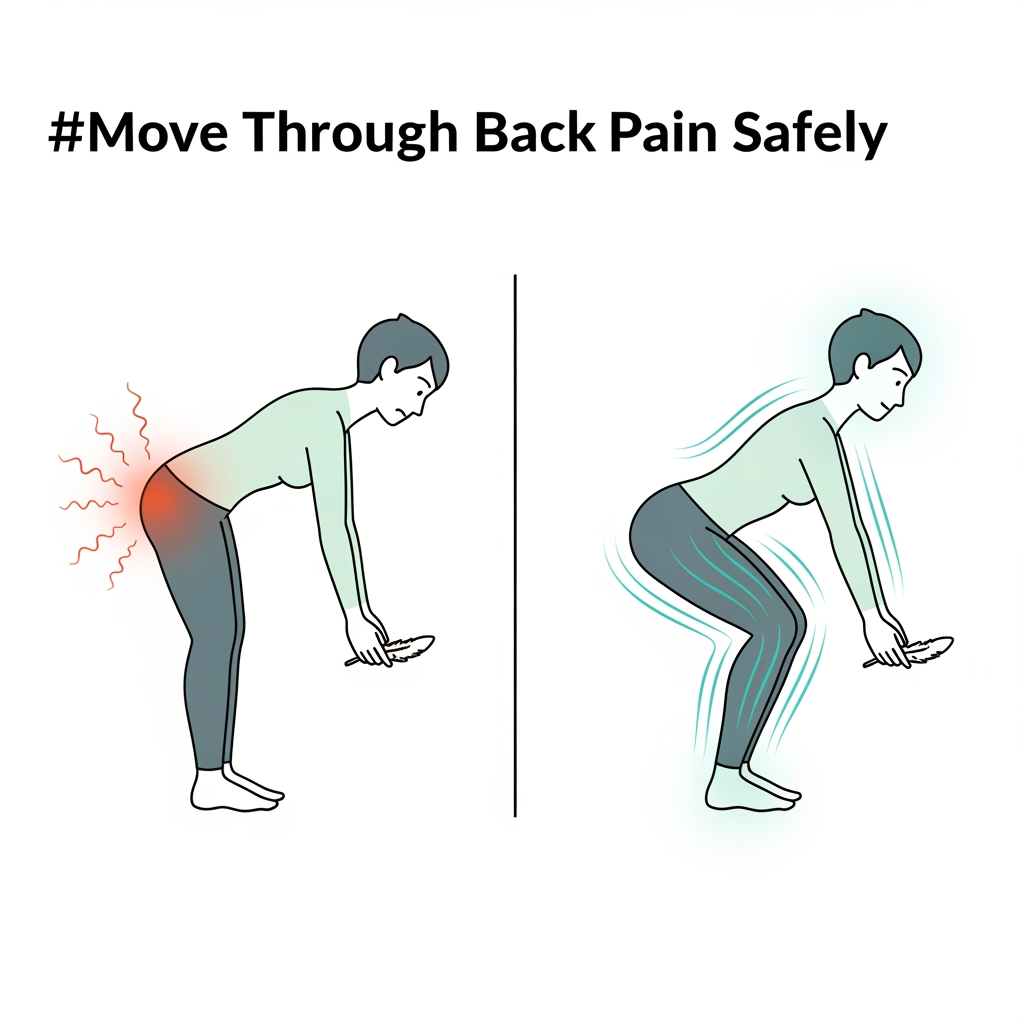
The instinct when back hurts is to rest and avoid movement. But research consistently shows that for most back pain, gentle movement speeds recovery while prolonged rest makes things worse.
Why Movement Helps
Movement increases blood flow to painful areas, bringing nutrients for healing. It prevents muscles from tightening further. It maintains strength that supports the spine. Inactivity weakens muscles and stiffens joints.
Walking Is Medicine
Simple walking is one of the best activities for back pain. It gently moves the spine, engages core stabilizers, and requires no equipment. Start with short walks and gradually increase as comfort allows.
Core Strengthening
Weak core muscles fail to support the spine properly. Bird-dogs, dead bugs, and modified planks strengthen the core without straining the back. Build this strength gradually to prevent future episodes.
Stretching Tight Muscles
Hip flexors, hamstrings, and piriformis muscles often contribute to back pain when tight. Gentle stretching of these areas relieves tension that pulls on the lower back.
What to Avoid
High-impact activities, heavy lifting, and movements that provoke sharp pain should wait until acute pain subsides. Distinction between discomfort (often okay to work through) and sharp pain (stop immediately) is important.
When to Seek Help
Pain with numbness or tingling down legs, bladder or bowel changes, or pain from trauma requires medical evaluation. Most back pain improves within weeks, but persistent pain warrants professional assessment.
This article was generated by AI to provide informational content.